What Second-Home Buyers Love About Sullivan’s Island
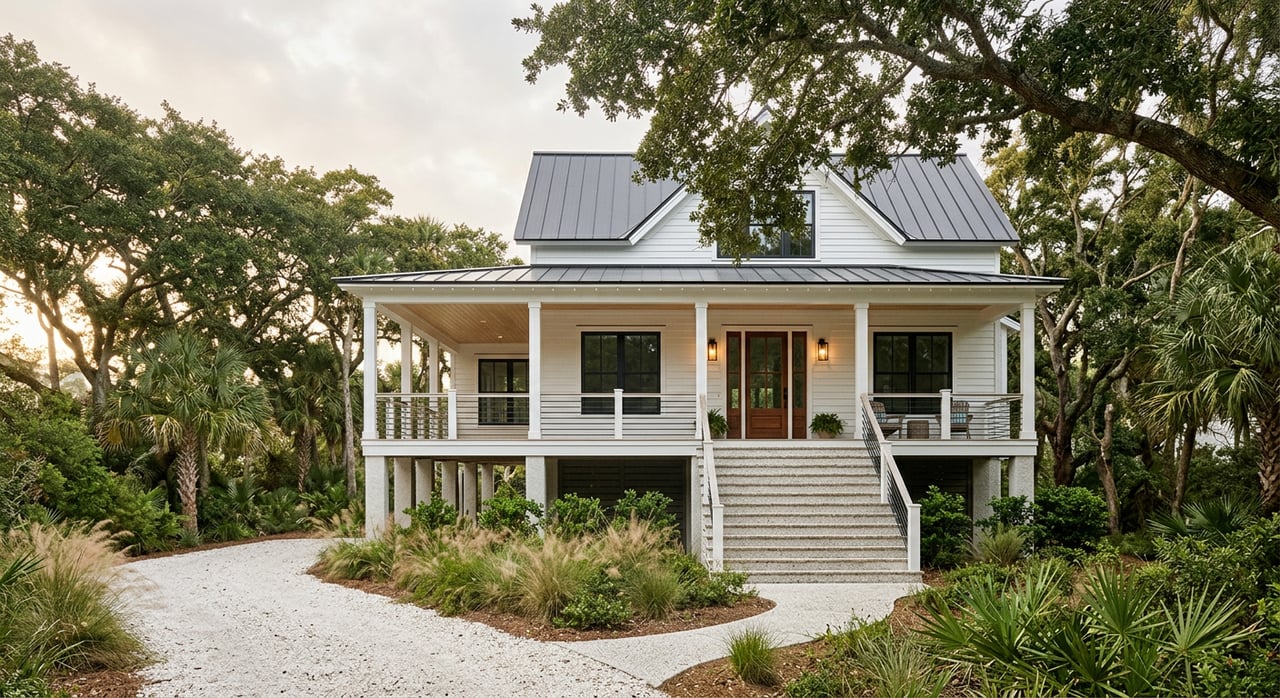
Looking for a quiet beach base that feels worlds away but sits minutes from one of America’s favorite cities? On Sullivan’s Island, you get a relaxed, residential shoreline, a compact dining scene, and easy access to Charleston for culture, dining, and travel. If you are weighing a second home here, you also want the facts on pricing, rental rules, flood insurance, and boating. This guide walks you through the lifestyle buyers love and the practical details to know before you buy. Let’s dive in.
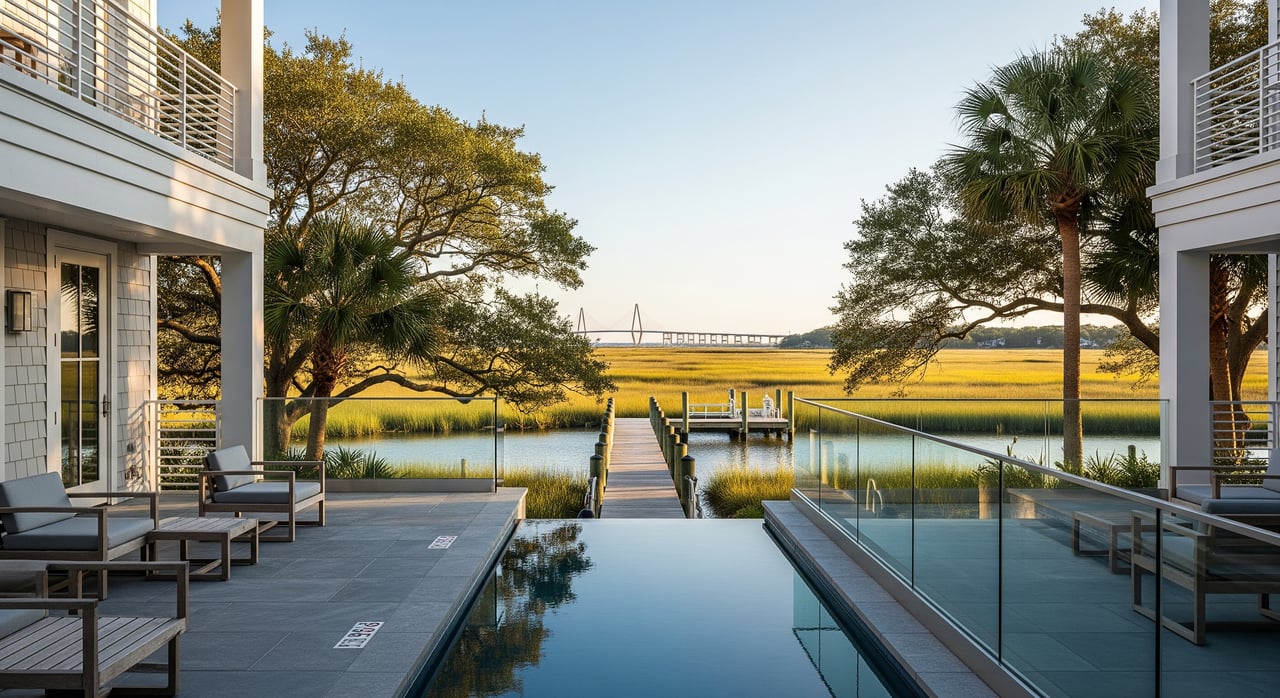
Sullivan’s Island is a small barrier‑island town just off the Charleston peninsula, only a few miles long and home to fewer than 2,000 residents as of the 2020 census. That scale helps preserve a calm, residential feel throughout the year. You can learn more about the town’s setting and history from the overview on Wikipedia.
The proximity to Charleston is a major draw. Most days, the drive to downtown runs about 15 to 25 minutes depending on bridge traffic, which pairs a low‑key island rhythm with quick city access. That balance is one of the island’s standout perks for second‑home owners who want a true retreat near world‑class dining and arts, as highlighted in Southern Living’s coverage.
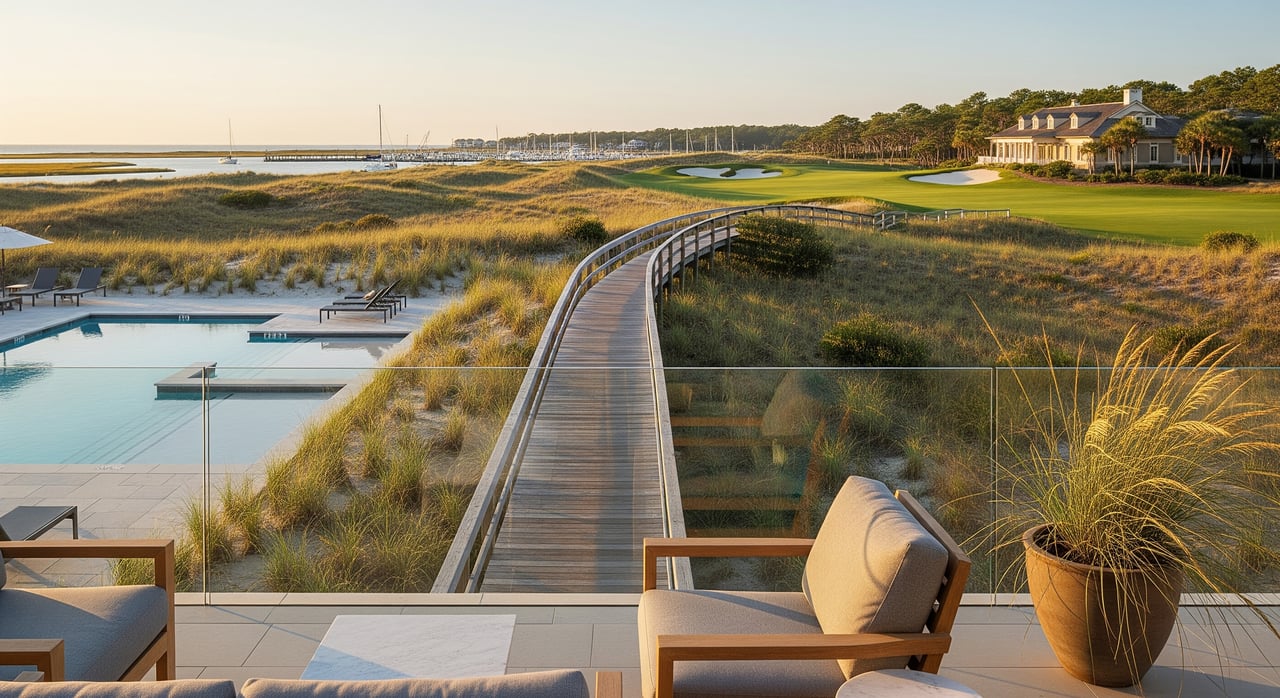
Sullivan’s Island’s beachfront is long, natural, and largely residential. Locals use numbered “Stations” like Station 18, 21, or 22 as simple landmarks for beach access and meetups, which adds to the neighborhood feel described by Southern Living. You get broad dunes, big skies, and lots of space to walk.
Public amenities on the sand are intentionally limited. Several travel guides note there are few public restrooms and the island does not use lifeguard towers along its public stretches. For families and guests, plan beach days with that in mind and embrace the quieter, more natural shoreline. See a visitor snapshot in Condé Nast Traveler’s guide.
The island’s commercial pocket is compact and easy to navigate. You will find well‑regarded restaurants and small shops clustered mostly along Middle Street. Favorites like The Obstinate Daughter and Poe’s Tavern give you a reliable, walk‑to dining lineup without big commercial corridors. The small‑scale main drag suits weekend living: park the car, stroll to dinner, and be back on your porch by sunset.
History shapes the island’s character. Fort Moultrie is part of the Fort Sumter & Fort Moultrie National Historical Park and anchors the south end with trails, exhibits, and harbor views. The Charleston Light, often called the Sullivan’s Island lighthouse, is another distinctive landmark you will pass often. Both add low‑key, local outings to your routine. Explore the park’s highlights on the National Park Service site.
Sullivan’s Island’s social life feels neighborhood‑centric in the best way. The town calendar features community events like volunteer‑firefighter gatherings, a community 5K, and summer fireworks tied to Stith Park, with a much quieter off‑season after summer. The Town shares timely updates and seasonal notes for residents through newsletters and posts. You can see a snapshot of that communication style in this summer message from the Town Administrator.
If you plan to boat, note the island does not have a large public marina. Most owners use nearby Mount Pleasant and Charleston facilities for launching and slips, including Shem Creek, Patriots Point or Charleston Harbor marinas, and the Remley’s Point public ramp. Budget for off‑island marina costs or trailer storage to keep boating simple. A practical overview of local facilities appears in this Charleston boating guide.
Sullivan’s Island is a high‑end, low‑inventory market. Recent public snapshots show many listings and sales in the multi‑million‑dollar tier, with medians in early 2026 often in the roughly 4 to 5 million dollar range. Day‑of pricing can shift quickly in a small market, so use the local MLS or ask your agent for current comparables. For a sense of scale, view a live snapshot on Homes.com.
Sullivan’s Island restricts vacation rentals. The zoning code states that vacation rentals are prohibited except as permitted under Article XIII, and the code shows updates adopted in February 2024. Practically, that means a small number of licensed or grandfathered rentals operate, and new permits are limited. If rental income is part of your plan, verify a property’s license status and request Article XIII guidance from Town Hall before you buy. Review the town code language here: Sullivan’s Island code – zoning and STR references.
Sullivan’s Island is an actively managed floodplain community. The Town publishes flood maps, elevation guidance, and building requirements that can affect your design choices and insurance costs. The Town participates in FEMA’s Community Rating System. Recent communications note a Class‑5 CRS rating, which corresponds to a 25 percent NFIP premium discount for policies in Special Flood Hazard Areas. Even with that discount, premiums depend on your zone and elevation, so it is smart to consult an insurance agent early. Explore the Town’s resources on floodplain maps and links and see additional context in a Town news update.
South Carolina assesses owner‑occupied primary residences at a lower ratio than non‑owner‑occupied property. The commonly cited ratios are 4 percent for a primary residence and 6 percent for non‑owner‑occupied residential or rental property. That classification can create a meaningful difference in annual taxes for a second home. Review a policy overview via the Lincoln Institute of Land Policy report excerpt and speak with a local tax advisor about your specific use.
Local zoning and land‑use provisions include conservation easements, strict setback and lot‑coverage limits, and design‑review oversight near dunes and marshes. There are also specific limitations tied to some conservation contexts, including parking limits noted in the code. If you hope to expand, elevate, or add outdoor living areas, confirm what is allowed on your parcel during due diligence. Start with the Town’s code library and engage your surveyor, contractor, and agent early.
If you plan to bring a dog, the Town sets seasonal beach hours and requires a town dog permit. Rules are enforced and can change seasonally, so check current notices before your first beach walk. See a recent reminder in the Town’s May 2025 newsletter.
On Sullivan’s Island, weekends feel unhurried. Mornings start with a beach walk at your favorite Station. Afternoons might be a quick swim or paddle, then a late lunch on Middle Street. When you crave a bigger city moment, downtown Charleston is an easy hop for galleries, live music, or flights at CHS. In the off‑season, you will find even quieter beaches and more availability at local restaurants.
The island also rewards simple routines. Stock the pantry, keep beach towels by the back door, and learn your nearest Station. Add low‑cost outings to Fort Moultrie or a lighthouse stroll for house‑guest days. For boaters, set up a slip or ramp routine across the bridge and you will be on the water in minutes. The result is the kind of second‑home life that feels both grounded and easy.
Because the market is small and premium, presentation and planning matter. If you are purchasing a home that needs updates, a design‑led approach can help you preserve character and add value. Look for opportunities like fresh coastal interiors, light‑enhancing finishes, and durable materials that handle salt air well. If you plan to list in the future, thoughtful staging and professional photography will help spotlight architecture, outdoor living, and proximity to beach access Stations.
For buyers, a boutique, concierge process simplifies the move from online browsing to keys in hand. That includes smart offer strategy in a low‑inventory market, coordination with surveyors and insurance pros for flood due diligence, and interior planning to get you beach‑weekend ready fast.
Ready to make your Sullivan’s Island plan real? Reach out to Hanna Geiger for curated buyer representation and design‑forward guidance from search to setup.