A Design-Lover’s Guide To Living In Downtown Charleston

Imagine stepping out your front door to brick sidewalks, live oaks, and a morning coffee walk that ends at the water. If you love architecture and a street-level lifestyle, downtown Charleston’s 29403 offers a daily backdrop of craftsmanship and charm. You want the texture and beauty, but you also want to understand the rules, realities, and rhythms that shape living here. This guide covers the architecture, walkable rituals, renovation and preservation process, coastal considerations, and how to buy wisely. Let’s dive in.
Downtown Charleston is compact, historic, and deeply walkable. You move through human-scale streets, pocket parks, and layered blocks where homes, galleries, and cafés sit side by side. Expect gas lanterns, carriage tours, and intimate courtyards that feel like outdoor rooms.
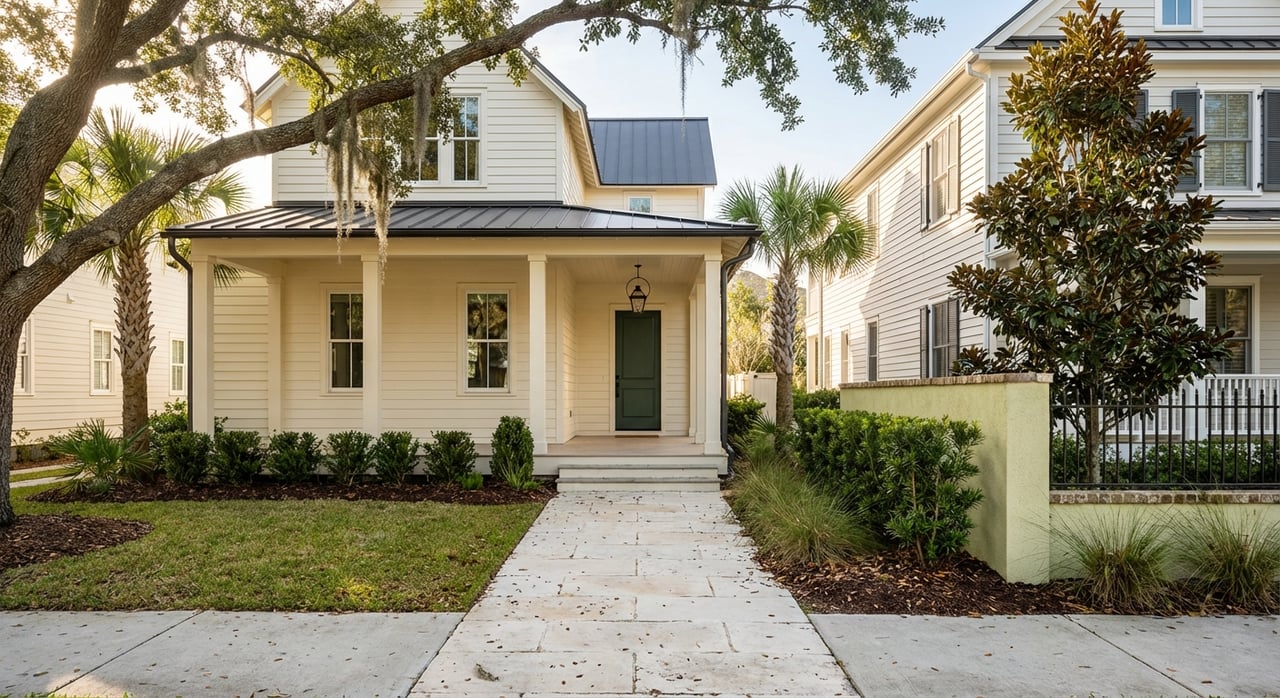
For design-minded residents, the appeal is the mix of preserved details and thoughtful updates. You will see original heart-pine floors and plaster paired with modern kitchens, as well as new infill and loft conversions that respect the streetscape. King Street and the waterfront anchor daily routines with shopping, dining, and sunset walks.
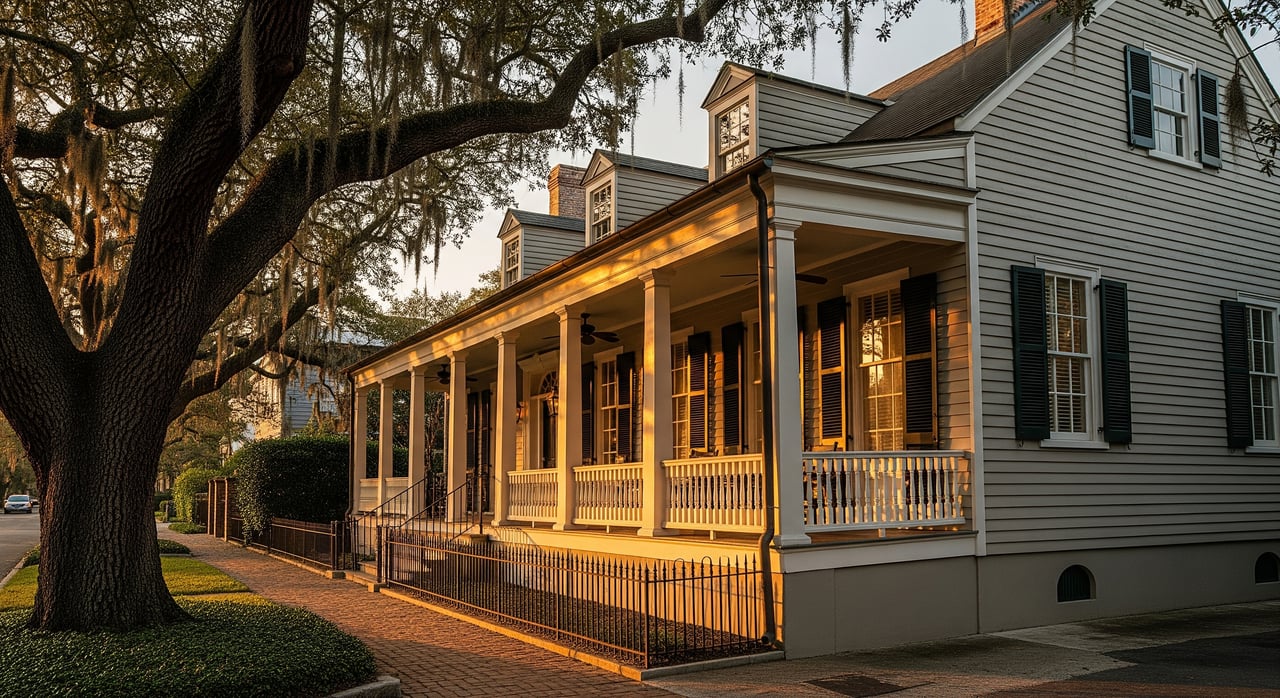
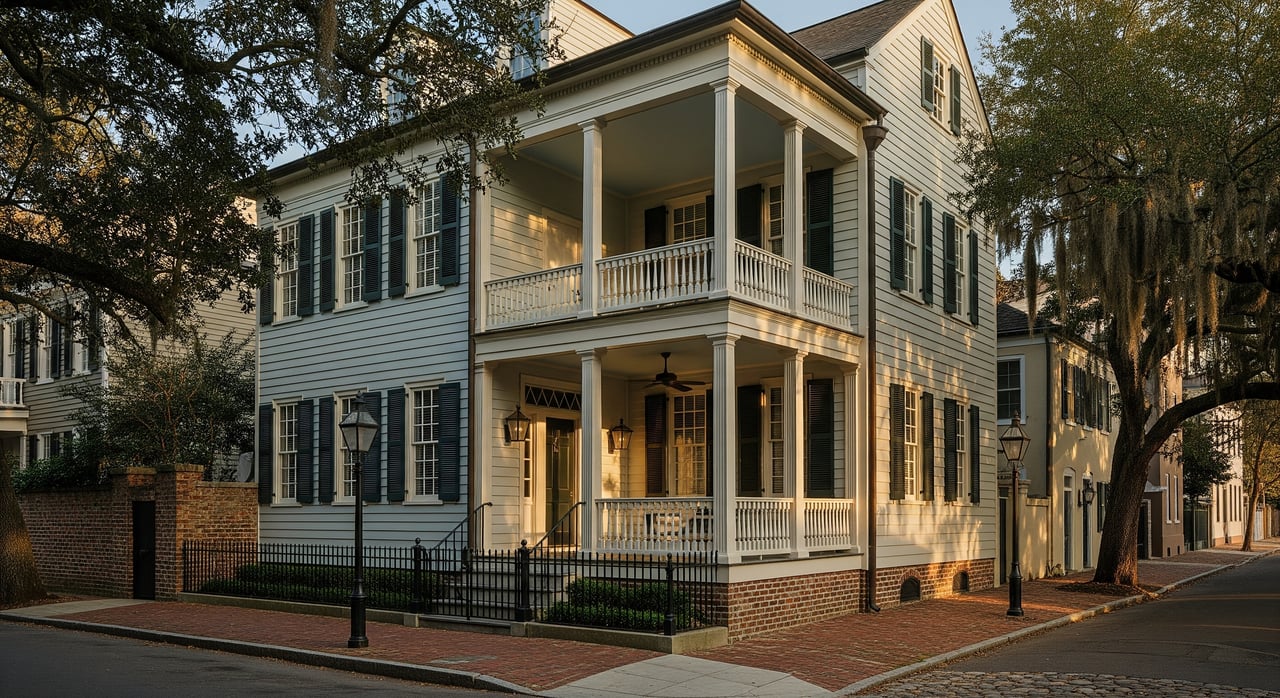
The iconic Charleston Single House turns its narrow side to the street and opens long piazzas to the breeze. High ceilings, tall windows, and interior shutters add light and ventilation. Many retain original millwork, mantels, and wide-plank floors.
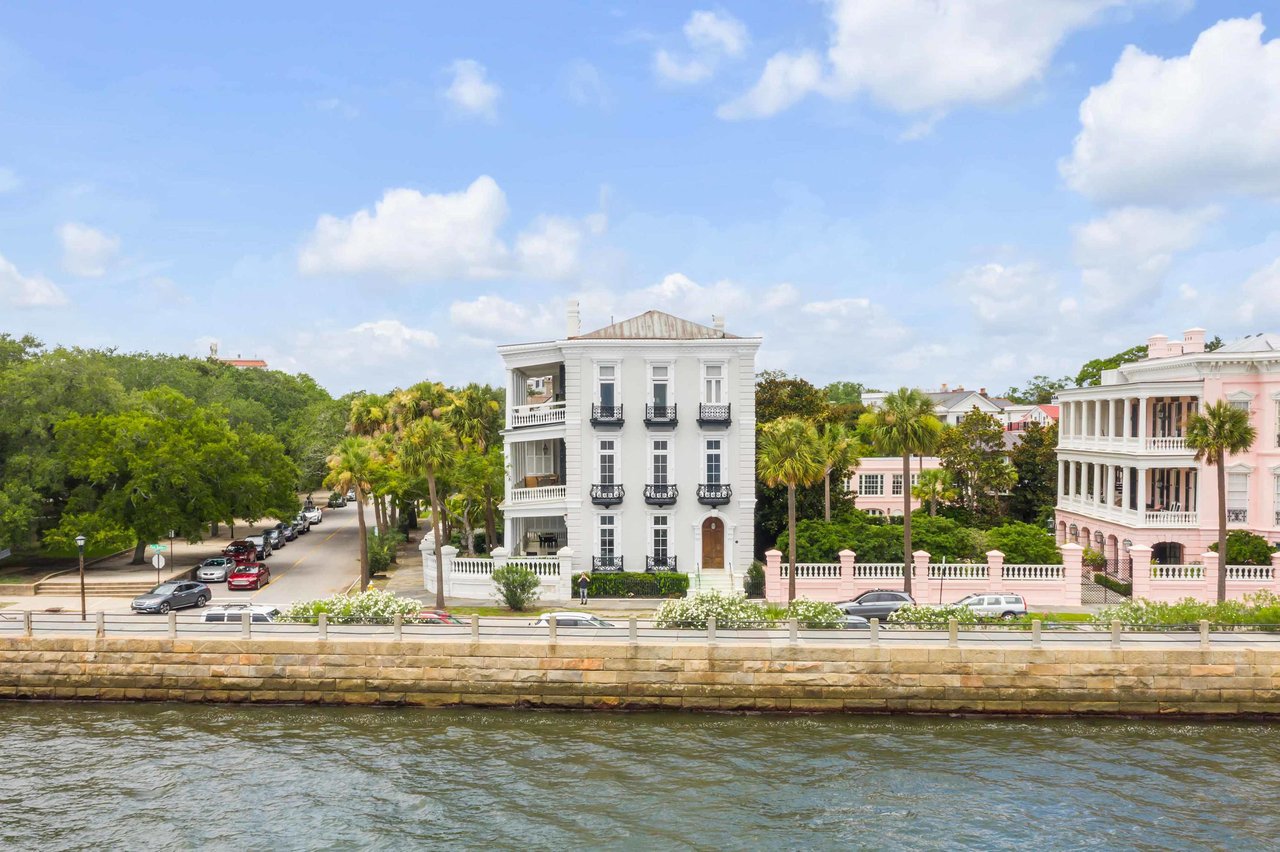
Along larger corridors you will find taller double houses and refined rows. These homes often feature raised brick basements, stucco or clapboard exteriors, and orderly window rhythms that frame the block.
Behind many main houses are carriage houses and secondary dwellings accessed from rear lanes. These often become guest suites or studios and add flexibility to a property.
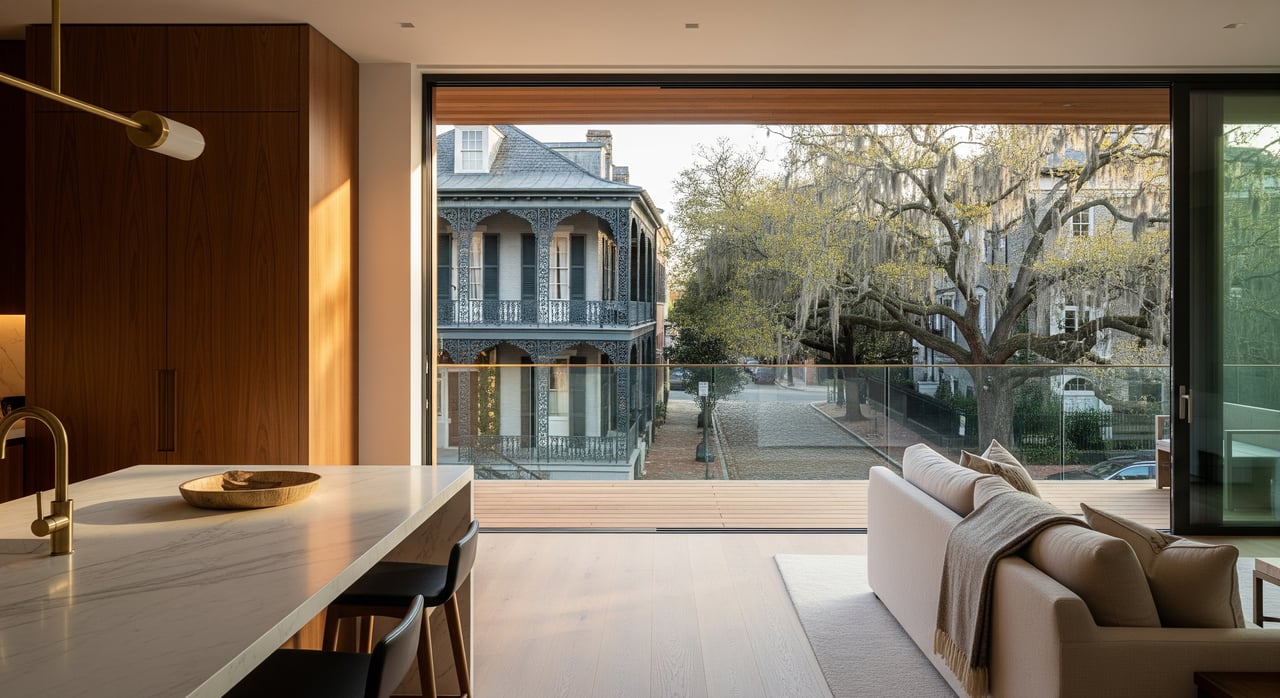
Renovated warehouses and new-build condominiums concentrate near key corridors and the water. Interiors often lean modern while respecting the historic fabric outside.
King Street is your daily design spine. Lower King offers antiques and showrooms, while Upper King adds contemporary shops, galleries, and restaurants. Morning coffee runs and afternoon window-shopping quickly become a habit.
Waterfront Park, the Pineapple Fountain, and The Battery make easy endpoints for walks and photography. Colonial Lake, White Point Garden, and pocket parks create a loop of green spaces for running, dog walks, and quiet breaks.
You can fill weekends with galleries, museums, and seasonal festivals. A highlight is Spoleto Festival USA, which draws performances across the peninsula. Pop-up and makers’ markets add discovery for design-forward goods.
The dining scene blends local restaurants, bistros, and rooftop spots. Outdoor seating engages the sidewalk, so you feel part of the city even at dinner. Brunch and neighborhood bars keep evenings lively.
Walkability is high for groceries, shops, and civic destinations. Public transit and circulators serve the peninsula, and many residents rely on walking, biking, or short car trips. Parking can be limited on denser blocks, so expect permits or creative solutions.
Much of downtown sits within formal historic districts. Exterior changes typically go through the Board of Architectural Review for approval. That can include façade work, window replacements, roofing, shutters, and even certain paint or porch repairs.
Interior projects are more flexible, but anything touching the exterior will be reviewed. Plan for longer timelines and hire architects and contractors with preservation experience. Early conversations with the preservation office reduce revisions and help you set a realistic scope.
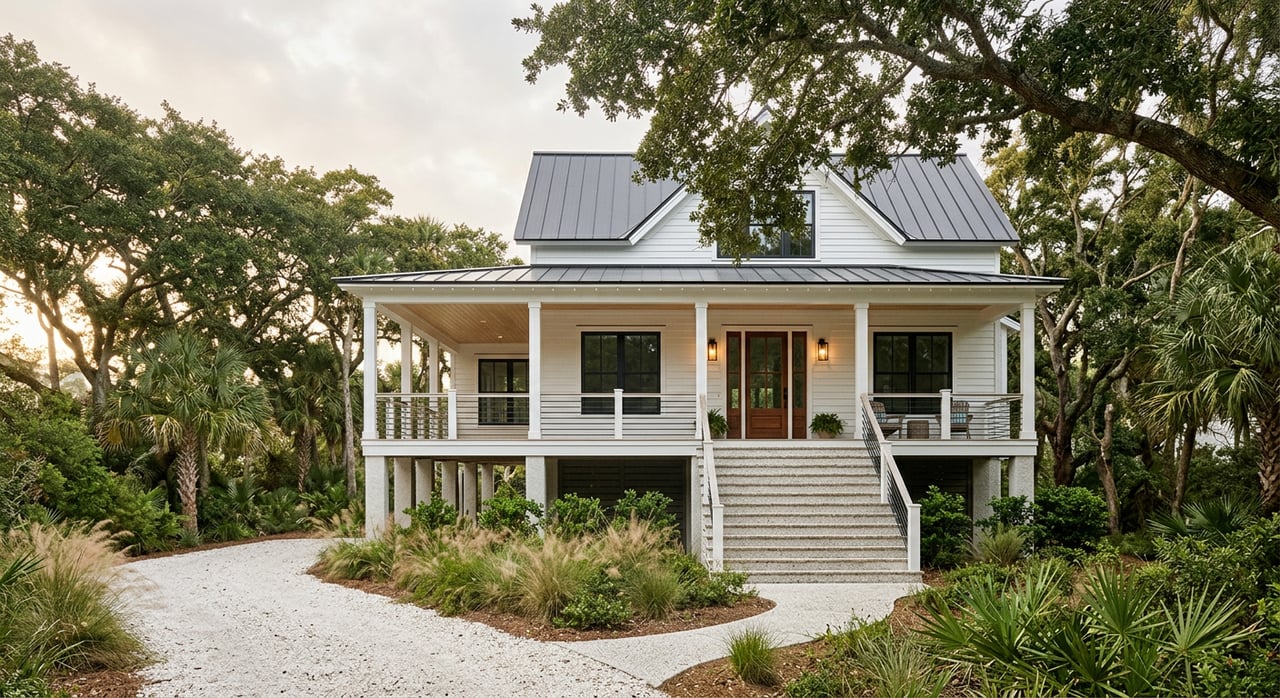
The downtown peninsula is low-lying, with tidal and storm-related flooding. Review current FEMA flood maps and local floodplain rules. If a home sits in a mapped flood zone, lenders commonly require flood insurance, and premiums vary.
Mitigations such as elevating mechanicals, using flood-resistant materials at ground level, and thoughtful drainage can improve durability. Even homes with moderate exposure benefit from these strategies.
Humidity, salt air, and termites shape materials and upkeep. Expect more frequent exterior paint cycles and vigilance around metal corrosion. Right-sized HVAC and dehumidification help protect finishes and comfort. Older foundations on piers or raised basements may need moisture management and occasional structural attention.
On-street parking dominates and many lots are compact. Carriage houses and off-street garages are prized but not guaranteed. Resident permit programs can apply by block, so confirm rules during due diligence.
Condos often package exterior maintenance, common insurance, and amenities into monthly fees. Review governing documents for rules that affect design choices, pets, or short-term rentals. Fees should be part of your total cost picture.
Inventory is often tight and desirable properties draw attention. Move in step with the market by preparing documentation and being clear about your must-haves.
Many owners blend modern kitchens and baths with preserved plaster, trim, and mantels. With a preservation-aware team, you can achieve comfort and efficiency while honoring the façade and street rhythm. The best results balance design ambition with the rules and climate realities that define the peninsula.
You deserve guidance that treats your home as a design and lifestyle asset. Through boutique brokerage representation and integrated HEG Interiors, we help you visualize potential, plan sensitive renovations, and navigate permitting with confidence.
If you are ready to explore possibilities in 29403, connect with Hanna Geiger for a tailored consultation.