Downtown Charleston Condo vs House: 29403 Living Guide

Trying to decide between a condo and a house in downtown Charleston? You are not alone. The peninsula’s charm, walkability, and historic character make both options appealing, yet the day‑to‑day experience and long‑term costs can be very different. In this guide, you will learn how condos and single‑family homes compare in 29403 so you can choose the lifestyle and ownership structure that fits you best. Let’s dive in.
The 29403 ZIP covers much of the Charleston peninsula, including parts of the Historic District and neighborhoods like Cannonborough‑Elliotborough, Harleston Village, and sections of Wagener Terrace. You will find converted historic buildings with loft‑style condos, purpose‑built condo residences, and compact single‑family homes on narrow lots. Inventory is usually tight, which can keep prices competitive and make well‑priced listings move quickly. Flood risk and elevation are key factors across the peninsula, and they influence insurance decisions and resale strategy.
Condos often offer a lower entry price for downtown living, yet renovated or luxury units can exceed the cost of many houses depending on location and finishes. Single‑family homes range from modest historic cottages to well‑restored properties near the Battery. Since pricing shifts with market cycles, ask your agent for current 29403 market data before you set a budget.
With a condo, the homeowners association typically handles the exterior, roof, common systems, landscaping, and shared utilities. Your responsibilities focus on the inside of your unit, including finishes and often HVAC servicing within the unit. This can mean minimal hands‑on upkeep and more predictable routines. The tradeoff is relying on HOA management quality and accepting the possibility of special assessments for big projects.
Condo communities are governed by documents like CC&Rs and bylaws. These set policies for pets, renovations inside units, leasing restrictions, the use of common areas, and how assessments are handled. Review the full HOA packet, including budgets, reserve studies, meeting minutes, and insurance binders, before you commit. Strong reserves and clear rules can help you plan your monthly carrying costs with fewer surprises.
Parking is a real variable downtown. Many condo buildings include a deeded or assigned space, either on a surface lot or in a garage, which can be a major advantage if you drive daily. Smaller conversions may have limited or no dedicated parking. If you expect frequent visitors, confirm guest parking and nearby street permit options through the City’s Parking & Transportation resources on the City of Charleston site.
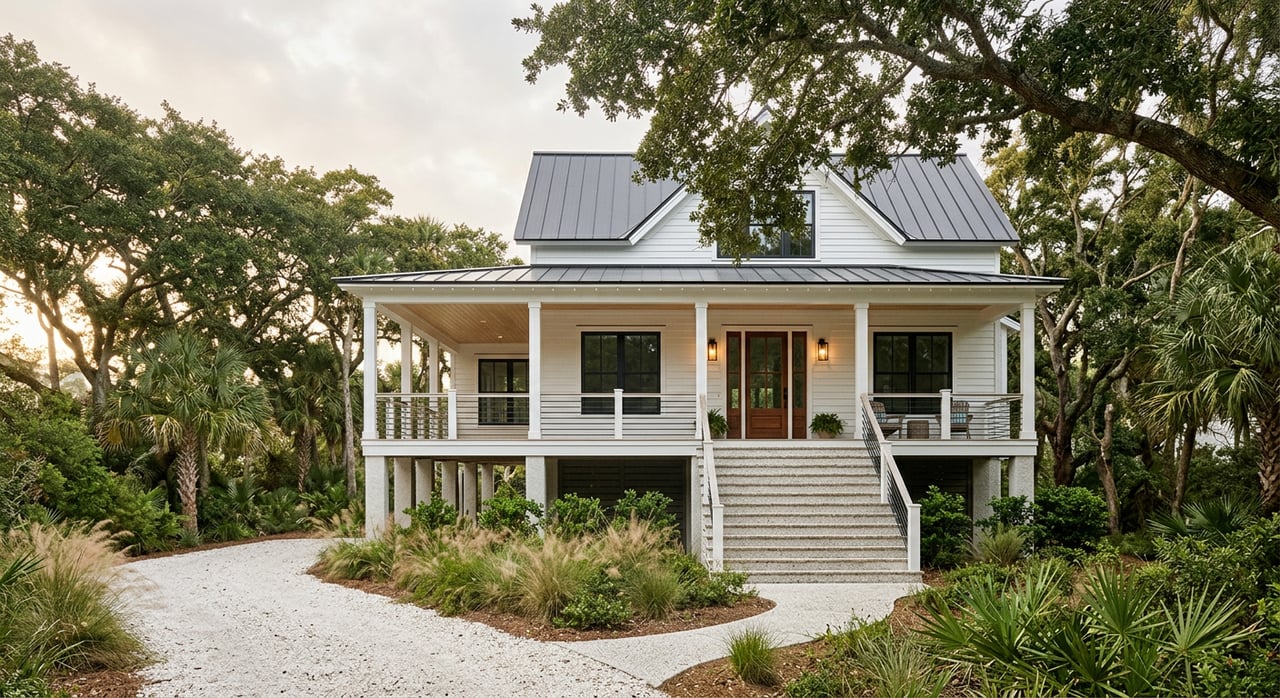
Most condos offer balconies, shared courtyards, roof decks, or small terraces. Privacy is more limited in multi‑unit buildings. If nurturing a garden or hosting on a large porch is essential to your lifestyle, you may want a house.
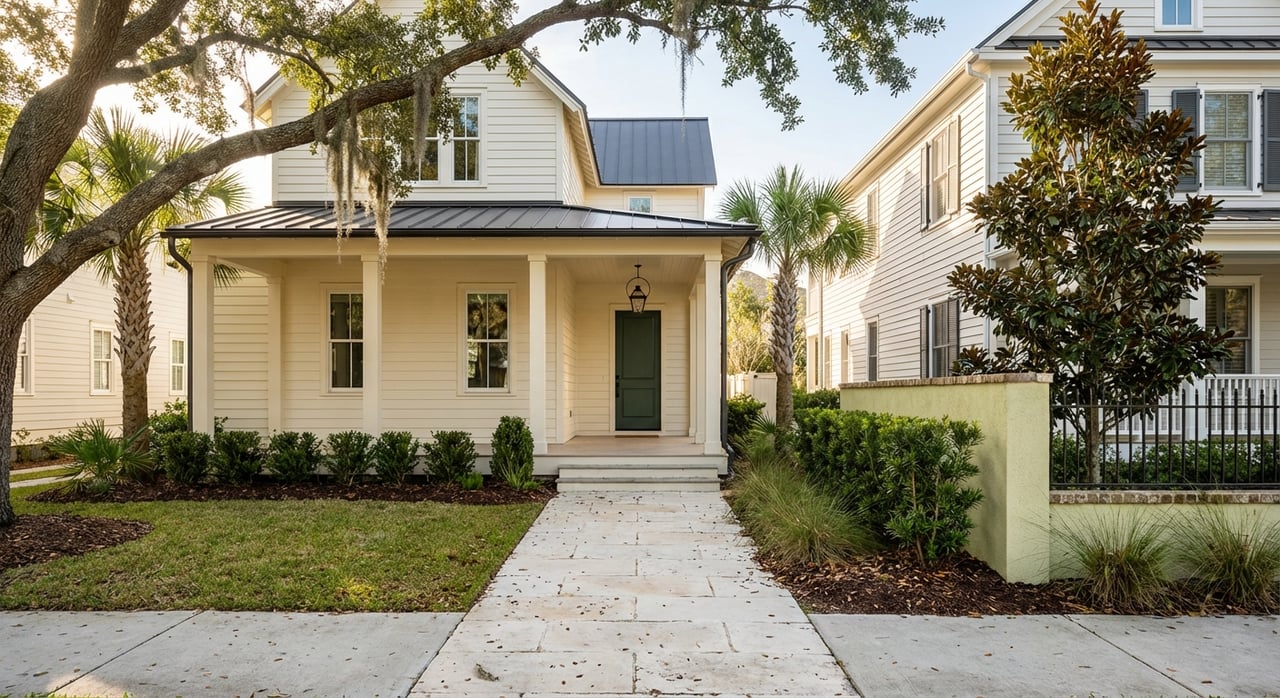
A single‑family home gives you full control over maintenance standards, finishes, and the style of improvements. On the peninsula, many homes are in historic areas that fall under the City’s Board of Architectural Review, so exterior changes can require approvals. You gain independence from HOA rules inside the home, yet you may face design and permitting steps for exterior work.
With a house, you handle everything: roof, exterior, yard, systems, and pest control. A simple rule of thumb is to budget 1 to 3 percent of the home’s value each year for maintenance, especially for older historic homes. That upfront planning can help you avoid deferring work that affects value. If you prefer a lock‑and‑leave lifestyle, a condo might fit your pace better.
Houses downtown may have narrow driveways or none at all. Some offer off‑street parking or a small private yard that can fit a car, but lot sizes limit options. If convenient parking is a must, focus on homes with existing off‑street spaces and confirm any city permit or curbside restrictions in advance.
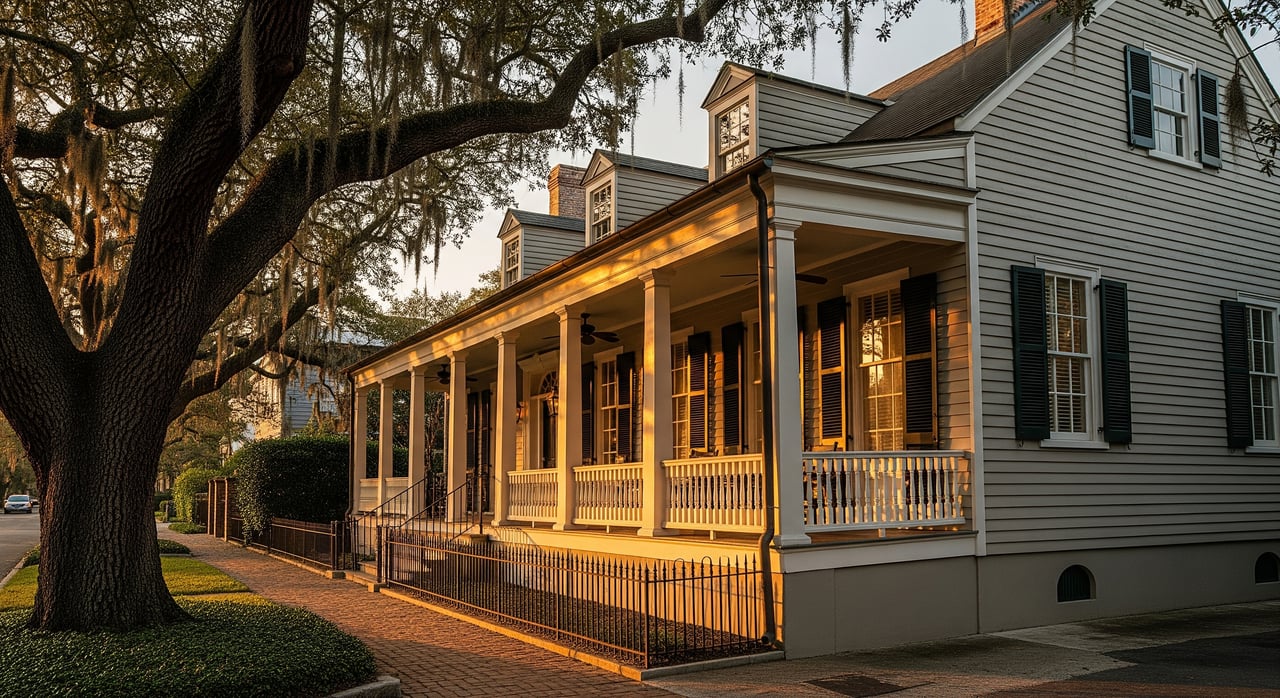
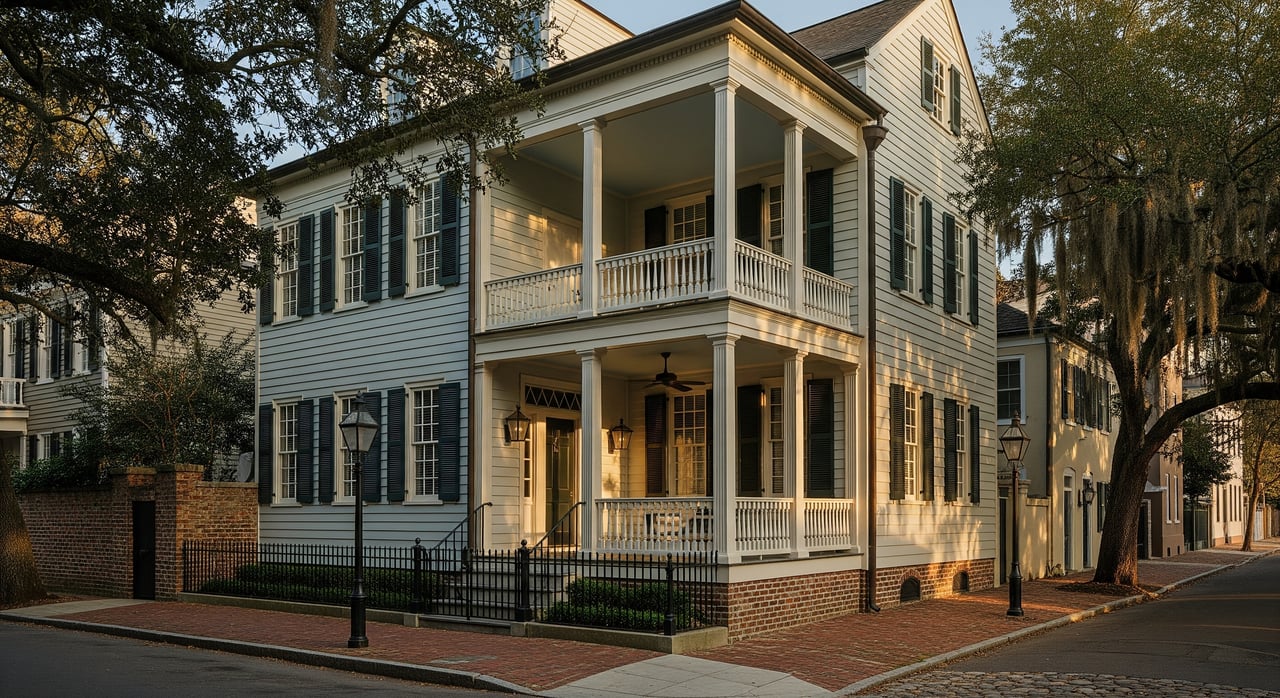
Many parts of 29403 are within local historic districts. Exterior work, additions, and some site changes often require review by the City’s Board of Architectural Review. This can influence how quickly you can add parking, expand porches, or alter a façade, and it shapes construction costs and design choices. Before you fall in love with a project, review the planning and BAR guidance on the City of Charleston website so you know what is realistic on a specific parcel.
Flood risk is a major consideration on the peninsula. Many addresses fall within FEMA‑designated flood zones, which can trigger lender requirements for flood insurance. For a house, you will carry structure insurance and, if required, a flood policy. For a condo, the HOA’s master policy typically covers the building shell, and you carry an HO‑6 policy for interiors and personal property. Lenders may also require flood coverage for the unit depending on the master policy and zone. Verify the status of each address using the FEMA Flood Map Service Center, and consider long‑term exposure using NOAA’s sea level rise resources. For consumer guidance on policies and coverage, explore the South Carolina Department of Insurance.
Some lenders apply extra eligibility criteria to condo projects, including owner‑occupancy ratios, litigation status, and reserve levels. Ask your lender to review building eligibility early if you plan to finance a condo. Financing for single‑family homes is more straightforward in many cases, but flood insurance and property condition can affect underwriting. For an overview of condo considerations, read the CFPB’s guidance on condominiums.
Property taxes are set by Charleston County and can vary with assessments and use. Pull the latest tax bill for any property you are considering and compare recent assessments to project carrying costs accurately. Start with the Charleston County Assessor resources for parcel information. Historic properties may have specific review processes or potential incentives, so confirm details with the City of Charleston planning team during due diligence.
Use this as a simple scorecard. Mark each criterion as high, medium, or low importance for you, then compare a specific condo listing to a specific house.
Maintenance desire:
Need for private outdoor space:
Parking importance:
Historic character and renovation flexibility:
Budget structure:
Flood and insurance tolerance:
First‑time urban buyer who wants simplicity: A condo often fits best. You gain low‑maintenance living and amenities that make lock‑and‑leave easy. Confirm HOA health, parking, and flood coverage.
Downsizer who wants privacy and a garden: A compact single‑family home can be ideal. You keep outdoor space and control, but plan for maintenance and potential BAR approvals for exterior changes.
Owner who values control and long‑term upside: A house offers flexibility to tailor the property over time, within local rules. Budget for upkeep and confirm parking options early.
Buyer with mobility or parking needs: Look for a condo with elevator access and deeded parking, or a house with off‑street parking and minimal stairs.
If you want low‑maintenance living with structured monthly costs and dedicated parking, a well‑run condo can be a great downtown launchpad. If you want full control and private outdoor space, a small single‑family home may be your best move. The right choice depends on how you want to live and which tradeoffs matter most to you.
If you would like a tailored shortlist in 29403, plus staging or renovation advice to unlock value, connect with Hanna Geiger for a design‑led, concierge experience focused on your goals.