Isle Of Palms Vs. Sullivan’s Island For Beach Buyers
You know you want a Charleston beach home. The real question is where your life fits best: the resort energy of Isle of Palms or the quiet, historic charm of Sullivan’s Island. Each island delivers a different rhythm, price profile, and set of rental rules that can shape how you use your home and what it might earn. In this guide, you’ll learn the key differences in prices, housing styles, short‑term rental rules, amenities, and coastal factors so you can buy with clarity. Let’s dive in.
If you want resort amenities, broader inventory, and clearer paths for licensed vacation rentals, Isle of Palms is the practical choice. If you want a quieter, highly residential island with tight architectural stewardship and very limited short‑term rentals, Sullivan’s Island will feel like home.
Both are special. The right fit comes down to how you plan to use your property, your comfort with coastal risk, and your target budget.
What this means for you: on IOP, you can often match a budget to a property type. On SI, expect premium pricing and limited turnover regardless of size.
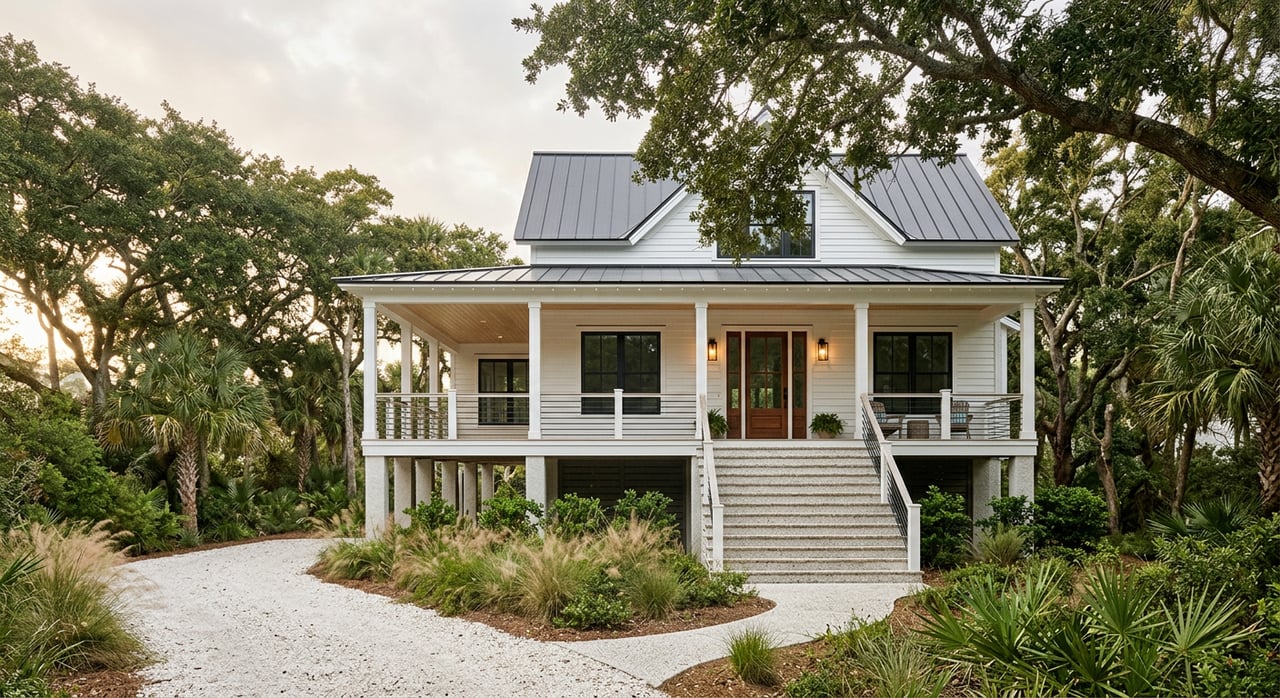
On Isle of Palms, you’ll find a broad blend: oceanfront single‑family homes, mid‑island cottages, and a meaningful number of condos and resort units. The Wild Dunes resort is a major anchor, drawing buyers who love golf, pools, and managed amenities. Many older cottages have given way to larger, modern builds, so it pays to review local lot coverage rules and any resort or HOA covenants before planning changes. You can reference Isle of Palms ordinances when evaluating expansion or rebuild options.
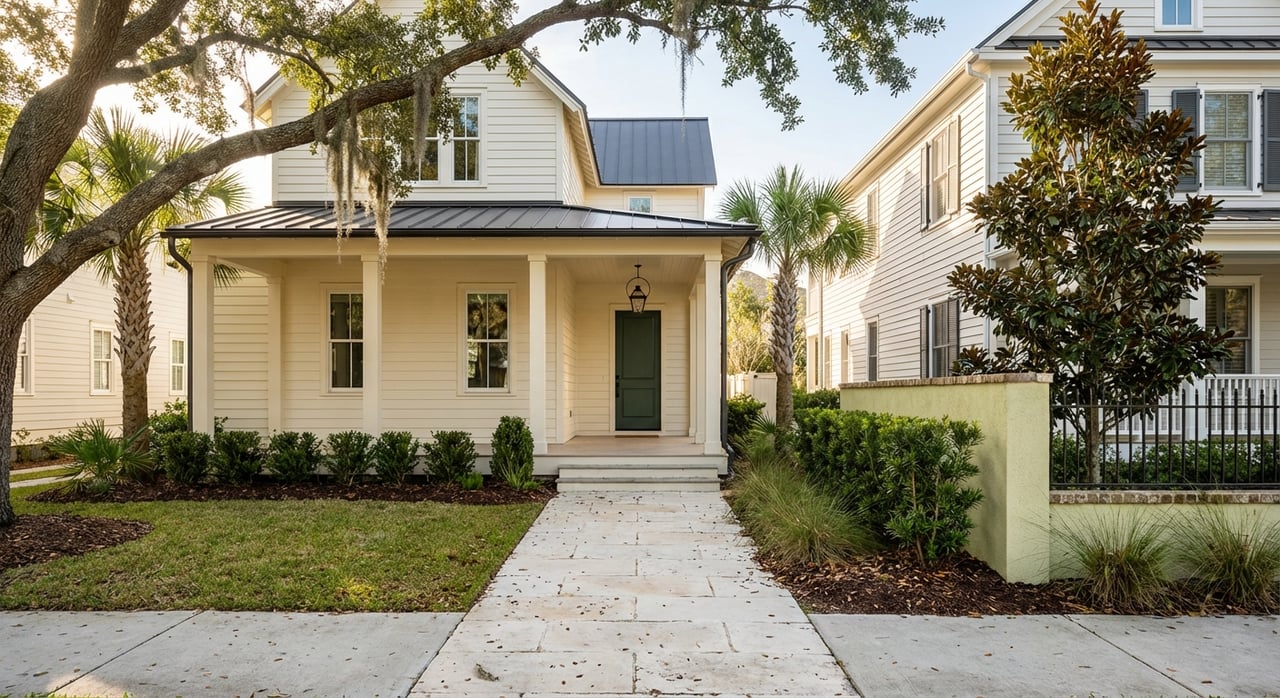
Sullivan’s Island is largely single‑family homes across oceanfront, near‑beach, and historic inland streets. The Town uses a Design Review Board to guide scale and architectural compatibility, which helps preserve the island’s historic and residential feel. The result is a quiet, design‑forward streetscape with limited room for densification.
If you plan to rent, Isle of Palms offers a clear operating framework.
Bottom line: reputable operators have a defined compliance path, and there is an established property management network on IOP to support them.
Sullivan’s Island treats most new vacation rentals as prohibited uses. Only previously established vacation rentals that met prior rules can continue, and they are treated as nonconforming uses under strict annual licensing and certification standards. Licenses are not freely transferable, and the Town can deny or revoke them for violations. Read the Town’s zoning ordinance to understand the framework for nonconforming rentals: Sullivan’s Island Zoning Code, Article XIII.
What this means for you: if STR income is central to your plan, Isle of Palms is far more practical. If you prefer a quieter, more residential setting with minimal vacation‑rental activity, Sullivan’s Island excels.
IOP has a resort‑forward energy with golf, spa, and family‑friendly amenities at Wild Dunes. You’ll see more seasonal visitors, more dining variety around the resort and Front Beach, and a steady calendar of beach activity. If you enjoy a managed resort environment, this island makes day‑to‑day easy.
Sullivan’s Island feels small‑town and walkable, with restaurants and shops clustered along Middle Street. Dining is a highlight, with thoughtful, coastally inspired spots and a relaxed, upscale feel. For a taste of the scene, The Obstinate Daughter is featured in the MICHELIN Guide for South Carolina.
Coastal islands evolve, and both communities manage shoreline health. Isle of Palms has completed several phases of renourishment and shoal‑management in recent years, including beneficial‑use dredging in partnership with the U.S. Army Corps of Engineers. These efforts influence beach width, dune profiles, and short‑term construction activity in certain zones. For timing and scope, check the City’s running log of completed beach projects.
Nourishment is iterative, often cycling every 8 to 10 years. If you are under contract, ask for any recent notices, maps, or schedules tied to your specific stretch of beach.
Both islands include FEMA Special Flood Hazard Areas, and local elevation standards apply to new construction and substantial improvements on Isle of Palms. Review the City’s guidance on flood damage prevention to understand elevation and permitting basics.
Practical steps for buyers:
Isle of Palms sits roughly 12 to 15 driving miles from downtown Charleston via the IOP Connector, often 20 to 30 minutes depending on traffic. Sullivan’s Island is slightly closer in driving distance at about 9 to 12 miles, commonly near 20 minutes in light traffic. Seasonal and rush‑hour congestion can extend these times, particularly around bridges.
Parking and summer crowding are managed differently. Isle of Palms uses digital residential permits and issues a limited number of portable STR parking permits each year. You can read about the shift to digital permitting here: IOP parking permits go digital.
| Category | Isle of Palms | Sullivan’s Island |
|---|---|---|
| Vibe | Resort‑forward, active, family amenities | Quiet, residential, historic character |
| Housing types | Mix of condos, resort units, single‑family | Predominantly single‑family, historic cottages |
| STR rules | Licensed STRs permitted with business license, occupancy and parking rules | New STRs generally prohibited; only grandfathered rentals under strict nonconforming rules |
| Price band examples | Condos and off‑beach homes from high six to low seven figures; oceanfront and newer builds into upper seven to low eight figures | Most homes multiple millions; high price per square foot due to limited supply |
| Amenities | Wild Dunes golf, pools, spa, resort services | Walkable dining on Middle Street, low‑key beach access |
| Inventory & pace | More selection across product types | Fewer listings, lower turnover |
Whether you see yourself strolling to dinner on Sullivan’s or teeing off at Wild Dunes, the right guidance makes the choice clear. If you want help aligning your lifestyle, budget, and renovation or staging vision with the right address, connect with Hanna Geiger for tailored buyer representation and design‑led strategy.